
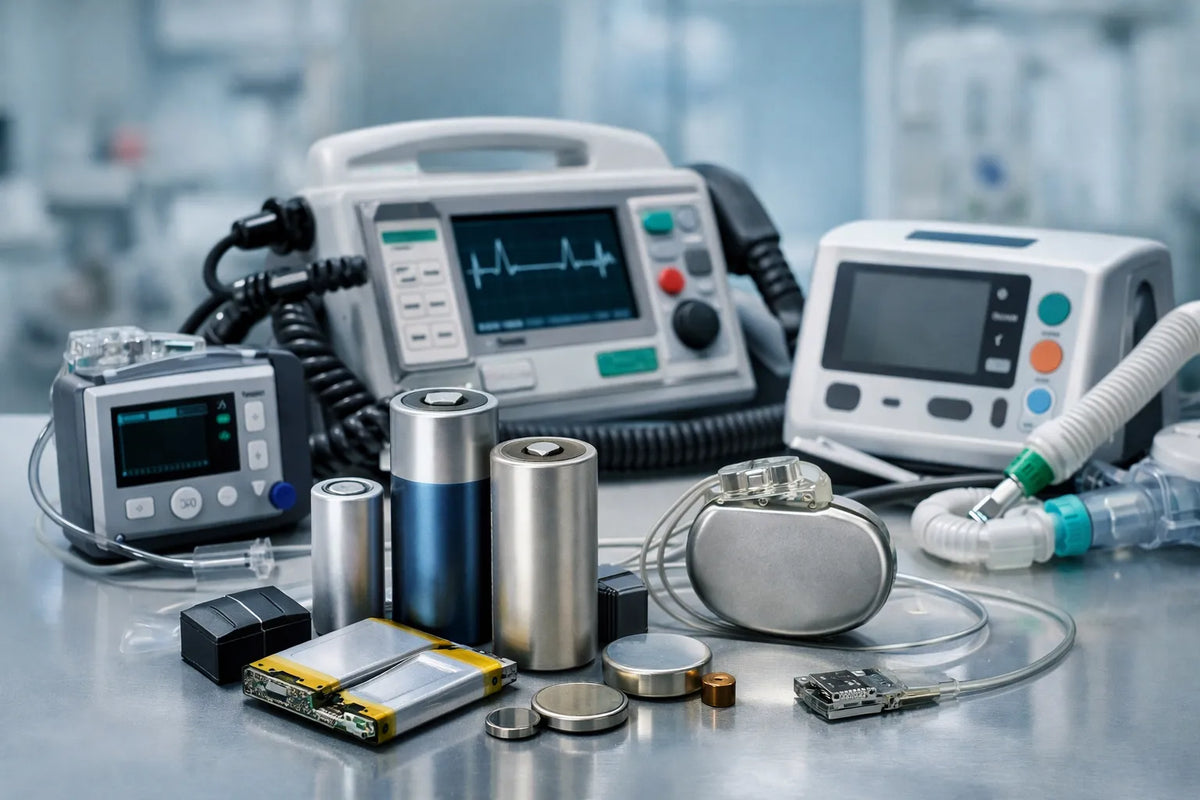
Managing health at home involves many specialized tools. Devices like infusion pumps, hearing aids, and heart monitors provide life-saving support. These devices usually run on powerful, compact batteries. However, most users treat these batteries like standard household waste. This mistake can lead to dangerous consequences for your family.
The Hidden Hazards of Medical Waste
Medical batteries are often more potent than standard AA batteries. They pack a high energy density to ensure device reliability. When tossed in a regular trash bin, they face physical pressure. Garbage trucks crush waste to save space. This pressure can puncture a battery casing. A punctured lithium battery may cause a "thermal runaway" event. This leads to intense fires that are very hard to extinguish.
Environmental Impact and Toxic Leaks
Batteries contain a cocktail of heavy metals and chemicals. Cadmium, lead, and mercury are common in older or specialized cells. If these reach a landfill, the casings eventually corrode. Toxic chemicals then seep into the local soil and groundwater. According to environmental research, a single pulse-oximeter battery can contaminate thousands of liters of water. Proper recycling ensures these metals are recovered and reused instead.
Protecting Your Household
Safety starts the moment a battery dies. Used batteries often retain a "ghost charge." If terminals touch other metal objects, they can spark. I have seen kitchen drawers scorched because of loose button cells. Keeping your home safe requires a proactive disposal plan. This guide will teach you the professional standards for battery management. We prioritize your safety and the planet's health through expert-backed methods.
Identifying Your Battery Type: Li-ion, Lead-Acid, and Alkaline
Not all medical batteries are created equal. Identifying the chemistry inside the casing is the first step toward safety. Different materials react differently to heat, pressure, and moisture. If you treat a lithium-ion battery like a standard alkaline one, you risk a chemical fire.
Common Batteries in Medical Devices
Modern healthcare relies on three primary battery types. Lithium-ion (Li-ion) batteries power most portable oxygen concentrators and CPAP machines. They are favored for their high energy capacity and lightweight design. Nickel-Cadmium (NiCd) or Nickel-Metal Hydride (NiMH) are often found in older surgical tools or monitors. Finally, Sealed Lead-Acid (SLA) batteries typically support heavy equipment like hospital beds or motorized wheelchairs.
How to Decode Battery Labels
Manufacturers print critical information directly on the battery jacket. Look for chemical symbols such as Li-ion, Pb (lead), or Cd (cadmium). You should also check the voltage and milliamp-hour (mAh) ratings. These numbers tell you how much energy remains potentially volatile. If the label is worn or missing, consult your device manual immediately. Never guess the chemistry of a medical power source.
Specific Handling Requirements
Each battery type has a unique "personality" during disposal. Lithium-ion cells are sensitive to heat and physical impact. They must be kept separate from other metals to prevent combustion. Lead-acid batteries are incredibly heavy and contain corrosive sulfuric acid. These require sturdy, leak-proof containers for transport. Understanding these nuances ensures you do not accidentally create a hazardous situation in your garage.
| Battery Type | Common Medical Use | Primary Risk |
| Lithium-ion | Oxygen Concentrators | Fire / Thermal Runaway |
| Lead-Acid | Power Wheelchairs | Acid Leaks / Weight |
| Alkaline | Thermometers | Soil Contamination |
| Silver Oxide | Hearing Aids | Heavy Metal Poisoning |
The Danger of Mixed Disposal
Many people throw all their spent batteries into one jar. This is a significant safety hazard. Different chemistries can react if they leak simultaneously. For example, the acid from a lead battery can dissolve the casing of a lithium cell. This interaction creates a high risk of explosion or toxic gas release. Always sort your medical batteries by type before you begin the storage process.

Step-by-Step Guide to Safe Storage and Transportation
Once you identify the battery type, you must secure it. Safe handling prevents accidents before the battery reaches a recycling center. Many fires start during storage or while driving to a facility. Following professional protocols keeps your home and vehicle safe from chemical leaks or sparks.
Preventing Short Circuits with Terminal Taping
The most important step is "terminal taping." Even a dead battery can carry a residual charge. If the positive and negative terminals touch metal, they may spark. Use non-conductive tape, such as clear packing tape or electrical tape. Cover the contact points on lithium and button cell batteries completely. This simple action prevents the battery from completing a circuit in your storage bin.
Ideal Storage Conditions and Containers
Store your spent medical batteries in a cool, dry place. Heat can cause battery cells to expand or leak. Avoid metal containers, which can conduct electricity if a leak occurs. A sturdy plastic bucket or a dedicated battery collection box is best. Ensure the container has a lid to keep out moisture. Never store medical batteries near flammable materials like gasoline or paper piles.
Preparing for Safe Transportation
When you are ready to recycle, pack the batteries tightly. They should not roll around in the back of your car. If you are moving lead-acid batteries, keep them upright at all times. Use a cardboard box with dividers to keep different battery types separate. Vibration during transit can sometimes trigger a chemical reaction in damaged cells. Always drive directly to the disposal site once the batteries are in your vehicle.
Handling Damaged or Leaking Cells
Sometimes a medical battery will swell or leak fluid. Do not touch the leakage with your bare hands. Wear nitrile gloves and safety glasses to protect your skin and eyes. Place the damaged battery in a sealed plastic bag filled with kitty litter or sand. These materials absorb the corrosive acid and stabilize the battery. Mark the bag clearly as "Damaged Battery" so the recycling staff can handle it with extra care.
Finding Certified Disposal and Recycling Centers
Properly preparing your medical batteries is only half the battle. The final step is ensuring they reach a facility equipped to process hazardous waste. Throwing them in a standard recycling bin is often as dangerous as tossing them in the trash. You must utilize specialized streams to ensure heavy metals are safely recovered.
Locating Local Hazardous Waste Drop-Offs
Most municipalities do not accept medical batteries at the curb. Instead, look for Household Hazardous Waste (HHW) collection sites. Many cities host "Roundup" events on weekends specifically for toxic items. Programs like Call2Recycle partner with major retailers to provide free drop-off bins. You can often find these kiosks at the entrance of hardware stores or pharmacies. Simply enter your zip code into their online locator to find the nearest certified partner.
Manufacturer Take-Back Programs
Many medical device manufacturers now offer "Stewardship Programs." These initiatives encourage users to return depleted batteries directly to the maker. For example, companies producing oxygen concentrators often provide pre-paid shipping labels for battery replacement. This ensures the battery is handled by experts who understand its specific chemistry. Check your device’s warranty or the manufacturer’s website for "End-of-Life" instructions.
Legal Requirements and Final Safety Checklist
In many regions, it is actually illegal to discard rechargeable batteries in the trash. The Universal Waste Rule (40 CFR Part 273 in the US) mandates that certain batteries must be recycled. Businesses, including small home-health clinics, face strict fines for non-compliance. While individual homeowners are often exempt from fines, the ethical and environmental responsibility remains. Before you head to a disposal site, run through this final checklist:
- Confirm: Is every terminal taped with non-conductive tape?
- Identify: Are lithium and lead-acid batteries separated?
- Inspect: Is there any evidence of leaking or swelling?
- Verify: Does the drop-off site accept your specific battery chemistry?
Conclusion: Your Role in a Greener Future
Safe battery disposal is a small act with a massive impact. By following these steps, you prevent landfill fires and protect our water supply. You also contribute to a "circular economy" where metals are reused in new devices. Your commitment to these protocols ensures that life-saving medical technology doesn't become an environmental burden.
