
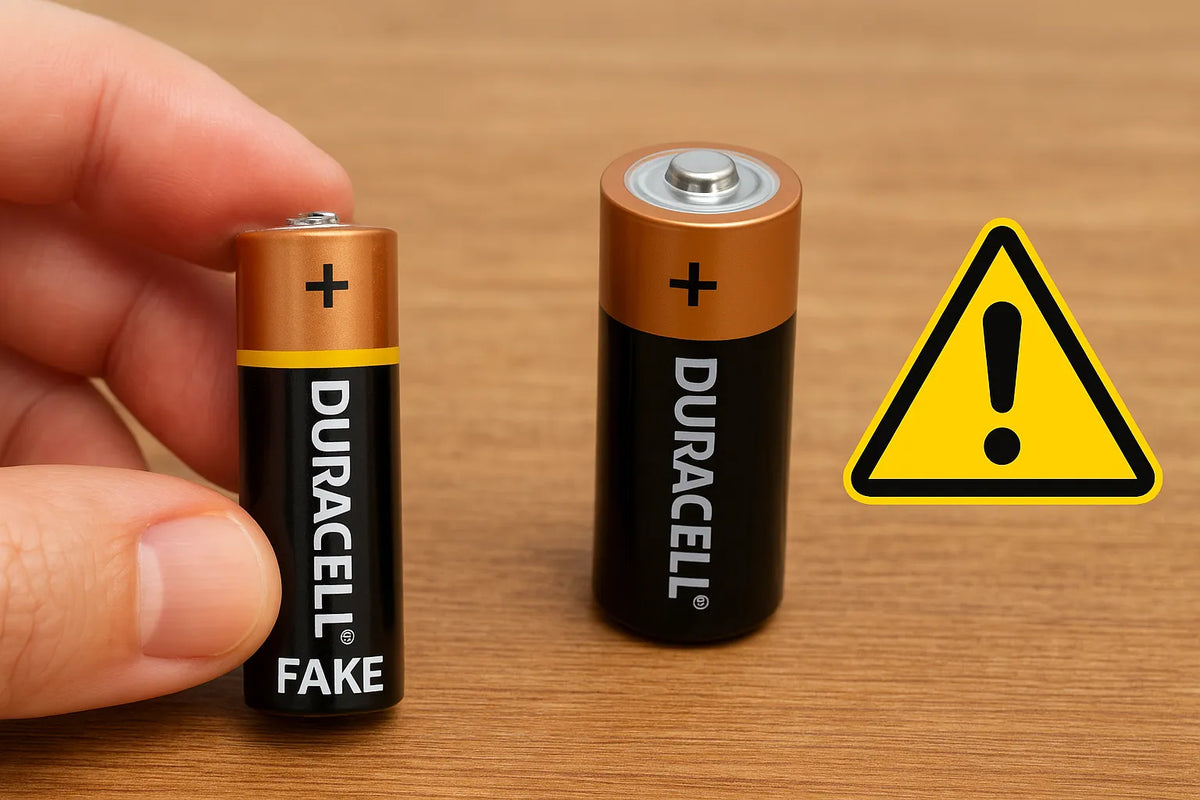
Counterfeit non-rechargeable batteries have become a silent global problem. Many consumers assume disposable batteries are too cheap to attract counterfeiters, yet the market tells another story. According to the OECD, fake batteries are among the top ten counterfeit consumer goods seized at borders. These products often imitate trusted brands such as Duracell, Energizer, and Panasonic, making them difficult to spot at first glance.
People encounter these fakes through online marketplaces, unverified resellers, and discount shops. The low price makes them appealing, but the risks extend far beyond wasted money. Fake batteries can leak, overheat, or burst because they often lack safety features required by international standards such as IEC 60086. This danger affects everyday items, including toys, remote controls, medical thermometers, and smoke alarms. When a battery fails inside a safety device, the consequences can be serious.
The problem grows each year with the expansion of cross-border e-commerce. Many platforms struggle to filter listings, especially when sellers use near-identical photos and brand names. Counterfeiters rely on volume, flooding the market with products that look legitimate but use poor materials. Consumers rarely question a battery label, which allows the issue to spread largely unnoticed.
This article helps people identify counterfeit non-rechargeable batteries with clear, practical guidance. Each section explains the warning signs, the risks, and the data behind the problem. The goal is simple: empower readers to protect their devices, their homes, and their money. Counterfeit goods will continue to evolve, but informed buyers remain the strongest defense.
Why Counterfeit Non-Rechargeable Batteries Are Dangerous
Counterfeit batteries pose risks that many users underestimate. They look harmless, yet their internal construction often falls far below international safety standards. Genuine manufacturers follow strict testing protocols, including short-circuit tests, vibration tests, and leak resistance checks. Counterfeiters skip these steps to reduce cost, which results in weak casing, unstable chemicals, and poor sealing quality.
The first danger is leakage. Fake alkaline batteries often use diluted electrolytes and thin metal jackets. These materials corrode quickly, especially in warm environments. Leakage can destroy devices such as remote controls, game controllers, and clocks. In some cases, the damage costs far more than the battery itself. Studies from UL Labs have shown that counterfeit cells leak up to three times more often than certified products.
Another risk involves overheating. A genuine AAA alkaline battery delivers stable voltage because its internal chemistry stays controlled. Counterfeit versions may use mixed or contaminated compounds that create internal pressure. This pressure builds as the battery discharges. If the venting mechanism is missing or defective, the battery may rupture. Small devices placed near heat sources, including flashlights or toys, face the highest risk.
Fire hazards also exist. While non-rechargeable batteries do not store energy like lithium-ion cells, they can still ignite when short-circuited. Counterfeits often lack insulation paper, making accidental shorts more likely. When packaged together without proper separators, they can activate on their own. Fire departments have reported small ignition events linked to cheap, unverified batteries found in bulk packs.
The final threat is unreliable performance. Counterfeit batteries often deliver far less capacity than advertised. Many fake AA alkaline cells test at 300–600 mAh, while branded ones average 2000–3000 mAh. This means users must replace them frequently, increasing waste and cost. For essential devices such as smoke alarms or medical thermometers, unreliable power becomes a real safety concern.
These dangers show why consumers should treat non-rechargeable batteries as more than disposable items. Safety begins with awareness and careful selection, especially when buying from unfamiliar sellers.
How to Identify Fake Non-Rechargeable Batteries
Spotting counterfeit non-rechargeable batteries is not always easy. Many counterfeits mimic brand colors, fonts, and packaging patterns. Still, several reliable indicators help consumers identify risky products before they cause harm. These checks take only a few seconds and can prevent device damage or safety hazards.
1. Examine the Packaging Quality
Genuine brands invest in high-quality printing and durable packaging. Counterfeit products often use thin cardboard, blurry text, or misaligned graphics. Look for spelling errors or inconsistent brand names. If the barcode appears stretched or pixelated, it may signal a copied or recycled design. Some counterfeits also skip expiration dates or print them with low contrast ink.
2. Compare the Battery Weight
Real alkaline batteries contain dense materials that ensure stable performance. Counterfeit batteries feel unusually light because they use cheaper internal components. Consumers can compare the weight with a known authentic battery. For example, a typical AA alkaline cell weighs around 23 grams. Many counterfeit AA cells weigh below 18 grams, indicating reduced chemical content.
3. Inspect the Terminals and Casing
Authentic batteries have smooth terminals with consistent plating. Counterfeit versions may show rough edges, dents, or uneven metallic surfaces. The positive terminal should have a clean, centered nub. Off-center or shallow terminals are common signs of poor manufacturing. In addition, watch for unusually glossy or peeling labels, which counterfeiters use to hide flaws.
4. Check for Batch Codes and Safety Marks
Major brands print batch codes, production dates, and compliance marks such as IEC, RoHS, or UL. These codes follow specific formats. Counterfeit products often display random alphanumeric strings or none at all. If the code repeats across multiple packs, it may indicate factory-level counterfeiting. Consumers can verify codes on official brand websites when available.
5. Compare Price and Seller Reputation
Suspiciously low prices often signal counterfeit goods. Genuine AA alkaline batteries from well-known brands usually fall within predictable price ranges online. When a seller offers branded batteries at 40–70% below market average, caution is necessary. Check reviews, seller history, and verified purchase feedback. Many counterfeit complaints mention short lifespan, leaking cells, or packaging issues.
6. Test Performance with a Simple Meter
A quick load test can reveal abnormal voltage drops. Fake alkaline batteries may show near-normal voltage when idle but collapse under light load. For example, a new AA alkaline battery should maintain around 1.5 volts open circuit and stay above 1.2 volts during moderate load. If the reading falls sharply, the internal chemistry is likely inferior.
These inspection methods help consumers avoid risky purchases. Counterfeiters change tactics often, but physical quality and performance remain difficult to hide. Careful checks provide a consistent way to identify genuine products.
Real-World Data: How Widespread Are Counterfeits?
Counterfeit non-rechargeable batteries have grown into a global issue, driven by online marketplaces and low manufacturing barriers. Data from customs authorities and research organizations shows how large the problem has become. These findings help explain why consumers must stay alert when buying everyday batteries.
Global Seizure Statistics
The OECD and EUIPO report that batteries rank among the most frequently seized consumer goods. Their joint study in 2021 showed that counterfeit electrical items, including batteries, accounted for nearly 24% of all intercepted dangerous products. Many of these items originated from unregulated factories operating without quality control systems. Customs agencies also noted a rise in mixed shipments, where counterfeit batteries were packaged alongside other small electronics to avoid detection.
Growth Driven by E-Commerce
The rise of global e-commerce has made counterfeit distribution easier. Marketplaces host millions of third-party sellers, which makes enforcement difficult. A study by the U.S. Government Accountability Office found that 20 out of 47 tested consumer items purchased from major marketplaces were counterfeit. Batteries were part of this group. Many users only discovered the issue after the products leaked or failed early.
Impact on Consumers and Industry
Brands like Duracell, Energizer, and Panasonic report frequent counterfeiting attempts. These companies invest heavily in anti-counterfeit packaging elements, including microcode printing and tamper-resistant seals. Despite these efforts, fakes continue to enter the market through high-volume listings from unverified sellers. Consumer complaints on forums and review platforms often describe batteries arriving in damaged or mismatched packaging.
Performance testing reveals the scale of the problem. Independent electronics reviewers often compare cheap online batteries to genuine ones. Many counterfeit AA cells test between 10% and 30% of the rated capacity. Some leak during the test cycle, confirming the lack of proper sealing. The low performance creates waste and additional financial cost for buyers.
Increased Incidents in Safety Devices
A growing concern involves counterfeit batteries installed in safety-critical devices. Reports from fire departments in the U.S. and UK show several cases where smoke alarms failed to operate because of low-quality disposable batteries. These batteries drained within weeks instead of months. In some incidents, the devices corroded internally, preventing alarms from sounding.
Environmental and Waste Impact
Counterfeits contribute to increased waste because they fail more quickly. Shorter lifespan means more frequent disposal, which burdens recycling programs. Many fake batteries also use unregulated chemicals that do not meet environmental guidelines. Improper disposal can release harmful materials into soil or water systems.
Real-world data shows that the issue is widespread, persistent, and growing. Counterfeit batteries are no longer rare bargain-bin items. They are common across global markets, which makes consumer awareness essential for safety and long-term device reliability.
How to Buy Safely and Protect Yourself
Consumers can avoid counterfeit non-rechargeable batteries by following a few practical steps. These habits help ensure safety, preserve device performance, and reduce long-term costs. They also support responsible buying practices in an increasingly complex market.
1. Choose Trusted Retailers
The safest option is to buy from authorized sellers. Major retailers source batteries directly from manufacturers or certified distributors. Their supply chains undergo regular audits, which reduces the risk of counterfeit stock. Brand websites also list approved sellers. When buying online, look for stores with consistent positive reviews and long-term sales history.
2. Verify Packaging Before Use
Check the packaging before opening it. Look for clean printing, proper seals, and accurate expiration dates. If the box appears tampered with or poorly printed, avoid using the batteries. Reputable brands include batch codes or authentication elements. Some packaging includes scannable QR codes that link back to the manufacturer’s verification system.
3. Avoid Extremely Low Prices
Counterfeit batteries often appear attractive because of their low price. Genuine alkaline cells follow predictable price ranges. For example, high-quality AA batteries from well-known brands usually cost more than bulk no-name options. When the price drops far below the expected range, it is likely a counterfeit or low-grade copy. Treat unusually cheap offers with caution.
4. Test New Batteries in Non-Critical Devices
When buying from a new seller, test the batteries in a low-risk device first. Remote controls or clocks offer a safe starting point. Watch for rapid voltage drop, leakage, or swelling. If the battery fails early, stop using it and replace it with a trusted brand. Testing helps avoid damage to expensive electronics or safety devices.
5. Store Batteries Properly
Proper storage reduces the risk of leakage, even in genuine batteries. Keep them in a cool, dry place, away from direct sunlight. Avoid storing loose batteries together because they may short-circuit when the terminals touch. Use original packaging when possible. Proper handling can extend the lifespan of your batteries and reduce the risk of failure.
6. Report Counterfeits When Identified
If you encounter a counterfeit battery, report it to the marketplace or retailer. Many platforms remove listings when they receive verified complaints. You can also contact the brand directly. Brands track counterfeit activity and work with enforcement agencies to remove illegal products from the market. Your report helps protect other buyers.
7. Recycle Used Batteries Responsibly
Proper disposal ensures environmental safety. Many communities offer battery recycling bins or collection centers. Recycling prevents harmful chemicals from entering soil or water. It also helps identify counterfeit products when recycling centers report unusual battery types or increased leakage cases.
Conclusion
Counterfeit non-rechargeable batteries have become a widespread issue driven by global e-commerce and low manufacturing standards. They threaten safety, harm devices, and waste money. With careful inspection and smart buying habits, consumers can protect themselves and ensure reliable performance in all their household electronics. Awareness remains the strongest defense against counterfeits.
