
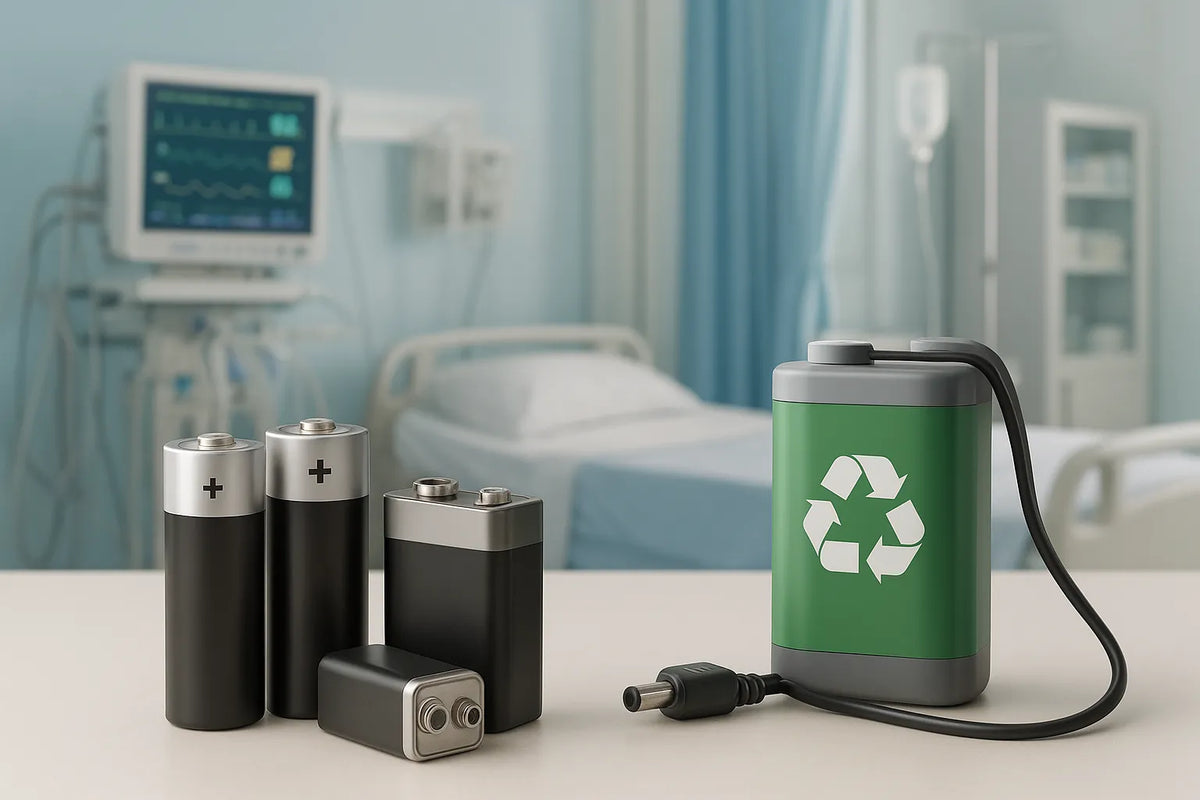
Batteries power countless devices in hospitals, from portable diagnostic tools to life-saving equipment. The reliability of these batteries directly impacts patient care, staff efficiency, and operational safety. Hospitals often face a critical choice between primary (single-use) and secondary (rechargeable) batteries, each offering distinct advantages and potential drawbacks.
Primary batteries are widely used for devices requiring consistent performance over a long shelf life, such as emergency medical tools. They are typically ready-to-use and provide a predictable energy output, even after long periods in storage. However, their single-use nature can lead to higher waste and recurring costs.
Secondary or rechargeable batteries, on the other hand, can be reused multiple times, reducing waste and long-term expenses. They require proper charging infrastructure and careful monitoring to maintain performance and safety. In hospital settings, this adds operational considerations, including staff training, storage space, and monitoring protocols.
Healthcare facilities must balance cost efficiency, environmental impact, device performance, and safety when selecting battery types. Understanding the differences, benefits, and limitations of primary versus secondary batteries is essential for administrators and medical staff alike.
This article provides a detailed exploration of both battery types in hospitals. It will cover their technical characteristics, practical applications, cost implications, safety considerations, and sustainability impact, equipping healthcare decision-makers with the knowledge to optimize battery usage effectively.
Primary Batteries in Hospitals: Benefits and Limitations
Primary batteries, also known as single-use or disposable batteries, are commonly found in hospitals due to their convenience and reliability. They include alkaline, lithium, and zinc-carbon batteries, each suited for specific medical devices. Their main appeal lies in immediate usability and long shelf life, often exceeding five years for lithium primary batteries.
Benefits of Primary Batteries in Hospitals
Reliability and Predictable Performance
- Primary batteries maintain a stable voltage output throughout their lifespan.
- Devices such as defibrillators, glucometers, and infusion pumps benefit from the steady power delivery.
- Emergency situations, where immediate functionality is critical, favor primary batteries because they are pre-charged and ready to use.
Minimal Maintenance Requirements
- Hospitals can store primary batteries without monitoring their charge cycles.
- Staff do not need to manage charging schedules, reducing operational complexity.
- They are ideal for low-usage or emergency devices, which may remain idle for months or years.
Wide Availability and Compatibility
- Primary batteries are standardized, widely available, and compatible with most medical devices.
- They reduce the risk of downtime due to battery unavailability, ensuring continuous hospital operations.
Limitations of Primary Batteries
Higher Long-Term Costs
- While the initial purchase is inexpensive, frequent replacements drive costs up.
- A medium-sized hospital may spend $20,000–$50,000 annually on disposable batteries, depending on device volume and usage.
Environmental Impact
- Single-use batteries generate significant waste, which can be hazardous if not disposed of correctly.
- Lithium and alkaline batteries contain metals like zinc, manganese, and lithium, which require specialized recycling procedures.
Energy Density and Device Limitations
- Some primary batteries may underperform in high-drain devices.
- For example, pulse oximeters or portable imaging devices that demand high current may experience shorter operational periods before replacement.
Applications in Hospital Settings
Primary batteries are often preferred for emergency kits, portable diagnostic tools, patient monitoring devices, and backup equipment. Their long shelf life and readiness make them indispensable in critical care units, ambulances, and field hospitals.
Hospitals often adopt a hybrid approach, keeping primary batteries for backup and emergency devices while relying on rechargeable batteries for high-usage equipment. This approach balances reliability with cost efficiency and environmental responsibility.
Secondary (Rechargeable) Batteries in Hospitals: Advantages and Challenges
Secondary batteries, commonly known as rechargeable batteries, are increasingly used in hospital environments due to their cost-effectiveness and sustainability. Popular types include lithium-ion (Li-ion), nickel-metal hydride (NiMH), and lithium-polymer (Li-Po) batteries. These batteries can be recharged hundreds to thousands of times, offering long-term operational savings compared to single-use batteries.
Advantages of Secondary Batteries in Hospitals
Cost Efficiency Over Time
- Rechargeable batteries have a higher upfront cost but reduce recurring expenses significantly.
- A Li-ion battery pack for portable ultrasound devices may cost $150 initially but last for 500–1000 charge cycles, equivalent to replacing $1,000+ worth of primary batteries.
- Hospitals with high device usage see rapid return on investment through reduced replacements.
Environmental Sustainability
- Rechargeable batteries generate less waste, decreasing environmental impact.
- By using secondary batteries, hospitals can reduce their carbon footprint and comply with increasingly strict healthcare sustainability regulations.
- Proper recycling and battery management further mitigate ecological risks.
Consistent Power for High-Drain Devices
- Rechargeable batteries provide higher energy density and are better suited for devices requiring sustained high current, such as infusion pumps, portable imaging equipment, and surgical instruments.
- Smart battery management systems can maintain optimal charge and prevent over-discharge, ensuring device reliability.
Challenges of Secondary Batteries in Hospitals
Maintenance and Infrastructure Needs
- Rechargeable batteries require dedicated charging stations, monitoring systems, and staff training.
- Failure to follow proper charging protocols can reduce lifespan, cause overheating, or create safety hazards.
- Hospitals must establish battery management protocols, including cycle tracking and routine inspections.
Upfront Costs and Device Compatibility
- The initial investment is higher than for primary batteries.
- Some older medical devices may not support rechargeable batteries, necessitating either upgrades or hybrid solutions.
Safety Considerations
- While generally safe, rechargeable batteries carry risks such as thermal runaway, leakage, or short-circuiting.
- Lithium-ion batteries, in particular, require temperature-controlled storage and adherence to manufacturer safety guidelines.
Applications in Hospital Settings
Rechargeable batteries are often employed in high-usage portable devices, surgical tools, electronic monitoring systems, and mobile diagnostic equipment. Hospitals benefit from cost savings, reduced environmental impact, and improved operational efficiency when secondary batteries are integrated into well-planned battery management systems.
A hybrid strategy is common: primary batteries for emergency or backup devices, secondary batteries for high-frequency, high-drain equipment. This approach optimizes performance, safety, and cost-efficiency across the facility.
Comparative Analysis: Cost, Efficiency, Safety, and Sustainability
Choosing between primary and secondary batteries in hospitals requires balancing multiple factors: cost, energy efficiency, safety, and environmental impact. A careful comparison helps hospital administrators make informed decisions.
1. Cost Comparison
| Factor | Primary Batteries | Secondary Batteries |
|---|---|---|
| Initial Purchase Cost | Low ($1–$5 per AA/AAA battery) | High ($50–$200 per pack) |
| Long-Term Replacement Cost | High (single-use, frequent) | Low (rechargeable, hundreds of cycles) |
| Maintenance Cost | Minimal | Moderate (charging stations, monitoring) |
| Total Cost over 5 Years | $20,000–$50,000 for medium hospital | $5,000–$15,000 for equivalent devices |
Insight: Primary batteries are inexpensive upfront but costlier over time. Rechargeable batteries require investment but deliver long-term savings, especially in high-usage scenarios.
2. Efficiency and Device Performance
- Primary Batteries: Provide stable voltage and reliable performance, ideal for low-drain or emergency devices.
- Secondary Batteries: Offer higher energy density and are suitable for high-drain equipment, but require monitoring to prevent over-discharge and capacity loss.
Hospitals often pair primary batteries with low-usage or backup devices, while high-drain, frequently used devices benefit from rechargeable batteries.
3. Safety Considerations
| Factor | Primary Batteries | Secondary Batteries |
|---|---|---|
| Risk of Leakage | Low to moderate | Moderate (if overcharged or damaged) |
| Thermal Risks | Minimal | Higher for Li-ion if mishandled |
| Staff Training Requirement | Low | High (charging and storage protocols) |
| Emergency Readiness | Excellent | Good (if properly charged) |
Insight: Primary batteries are safer in emergency settings due to zero charging requirements. Rechargeables need careful management to avoid hazards.
4. Environmental Sustainability
- Primary Batteries: Single-use nature generates significant waste; proper disposal and recycling are critical.
- Secondary Batteries: Reduce waste and environmental impact. Lithium-ion batteries require responsible recycling, but overall carbon footprint is significantly lower.
Hospitals with green initiatives or sustainability goals often integrate rechargeable batteries for high-usage devices to reduce environmental impact.
5. Summary of Key Differences
| Feature | Primary Batteries | Secondary Batteries |
|---|---|---|
| Shelf Life | 5–10 years (lithium) | 2–5 years depending on cycles |
| Best Use Case | Emergency / backup | High-drain / frequent use |
| Cost Efficiency | Low over time | High over time |
| Environmental Impact | High waste | Lower waste |
| Maintenance Requirement | Minimal | Moderate to high |
Insight: Hospitals benefit from a hybrid approach, leveraging the strengths of both battery types to balance reliability, cost, and sustainability.
Best Practices for Battery Management in Healthcare Facilities
Effective battery management in hospitals is essential to ensure device reliability, staff efficiency, patient safety, and cost control. Implementing structured practices can maximize battery lifespan while reducing waste and operational risk.
1. Establish a Battery Inventory System
- Maintain a centralized inventory for both primary and rechargeable batteries.
- Track purchase dates, device assignments, and expected replacement cycles.
- Label batteries with expiry dates or recharge cycles to avoid unexpected device failure.
- Use digital asset management systems when possible to automate tracking.
2. Optimize Charging Protocols for Rechargeable Batteries
- Implement dedicated charging stations in controlled environments.
- Follow manufacturer guidelines to avoid overcharging or deep discharge, which reduces lifespan.
- Rotate batteries to ensure even usage and prevent device downtime.
- Educate staff on safe handling procedures to minimize risks like thermal runaway or leakage.
3. Use a Hybrid Approach
- Assign primary batteries to emergency devices or low-usage tools, ensuring readiness.
- Use secondary batteries for high-drain, frequently used devices such as portable monitors, imaging tools, or surgical equipment.
- This approach balances cost, reliability, and environmental responsibility.
4. Prioritize Safety and Compliance
- Store batteries in temperature-controlled, dry areas to prevent damage.
- Regularly inspect batteries for swelling, leakage, or corrosion.
- Ensure staff are trained on proper disposal methods in accordance with local regulations.
- Lithium-ion and lithium-polymer batteries require strict adherence to safety standards due to higher energy density.
5. Implement Sustainable Practices
- Recycle both primary and secondary batteries using certified e-waste programs.
- Track the environmental impact of battery disposal to meet hospital sustainability goals.
- Encourage suppliers to provide eco-friendly packaging and take-back programs.
6. Monitor Performance and Review Protocols Regularly
- Conduct routine checks on battery performance, especially in life-critical devices.
- Collect data on device downtime and battery failure rates to identify improvement areas.
- Review and update battery management policies annually to incorporate new technologies and safety standards.
By following these best practices, hospitals can achieve reliable device performance, operational efficiency, and sustainability while mitigating risks associated with battery misuse.
Conclusion
Batteries are the backbone of hospital operations, powering devices that save lives and support patient care. Primary batteries provide reliability, minimal maintenance, and readiness for emergency situations, while secondary batteries offer cost savings, sustainability, and high performance for frequently used equipment.
A hybrid strategy—using primary batteries for backup and secondary batteries for high-drain devices—offers hospitals the best of both worlds. Coupled with effective inventory management, charging protocols, safety measures, and sustainability practices, healthcare facilities can ensure reliable, safe, and efficient battery usage.
Decision-makers in hospitals must weigh cost, performance, safety, and environmental impact when choosing battery types. Implementing structured battery management policies not only reduces operational risk but also supports long-term financial and ecological goals, making hospital operations safer and more sustainable.
