
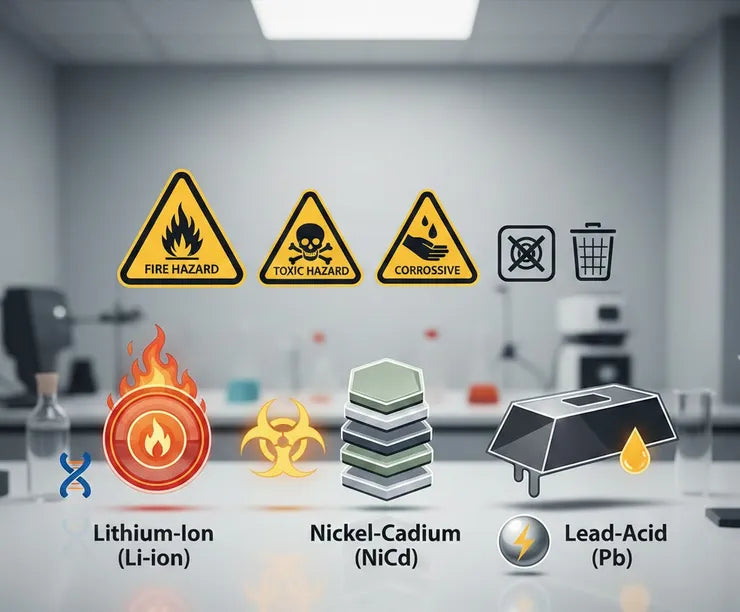
Medical devices rely on high-performance batteries to save lives. From pacemakers to portable oxygen concentrators, these cells are ubiquitous. However, their lifecycle does not end when the charge vanishes.
Why Medical Batteries Require Specialized Care
Medical-grade batteries are not like standard household alkaline cells. They often contain high concentrations of lithium, nickel, or lead-acid. If tossed in regular trash, they pose two primary risks: fire and toxicity.
Lithium batteries can undergo "thermal runaway" if crushed in garbage trucks. This leads to intense fires that are difficult to extinguish. Furthermore, heavy metals can leach into groundwater from landfills. This contamination enters our food chain and impacts human health.
The Scale of the Problem
The global medical battery market is expanding rapidly. Experts estimate the market will reach billions of dollars by 2030. This growth translates to millions of tons of chemical waste annually. Hospitals and home-care users must adopt "people-first" disposal habits.
Identifying Medical Battery Chemistries
Effective disposal begins with accurate identification. Not all medical batteries are created equal. Each chemistry requires a specific recycling stream to prevent hazardous reactions.
Common Battery Types in Healthcare
Medical facilities use a diverse range of power sources. Primary (single-use) and secondary (rechargeable) batteries serve different roles. You must distinguish between them before starting the disposal process.
| Battery Type | Common Medical Use | Hazardous Components |
| Lithium-Ion (Li-ion) | Ventilators, surgical tools | Cobalt, Flammable Electrolytes |
| Nickel-Cadmium (NiCd) | Defibrillators, older monitors | Cadmium (Toxic Heavy Metal) |
| Lead-Acid | Hospital beds, wheelchairs | Lead and Sulfuric Acid |
| Lithium Metal | Pacemakers, hearing aids | Highly Reactive Lithium |
Why Chemistry Identification Matters
Mixing different chemistries can be dangerous. For example, lead-acid batteries are heavy and corrosive. In contrast, lithium-ion batteries are prone to combustion if damaged.
Recycling centers use specialized processes for each metal. Mixing lithium with lead-acid disrupts the recovery of raw materials. This reduces the efficiency of the circular economy.
How to Read Battery Labels
Most medical batteries feature clear markings. Look for chemical symbols like Li-ion, Ni-MH, or Pb. These indicators tell you exactly how to categorize the waste.
If the label is worn, consult the device manual. Manufacturers provide detailed specifications for replacement and disposal. Never guess the chemistry of an unlabeled battery.
Visual Casing Clues
Physical appearance can also offer hints. Lead-acid batteries are usually large, rectangular, and heavy. Lithium cells are often encased in hard plastic or foil pouches.
Identifying these materials is your first line of defense. It ensures that toxic substances stay out of our soil. It also protects waste management workers from unexpected chemical exposures.
Safety Protocols for Storage and Handling
The period between a battery’s removal from a device and its final recycling is a high-risk window. Even "dead" medical batteries often retain a residual charge. This stored energy can cause sparks or fires if the battery is handled carelessly.
Preventing Short Circuits
The most common hazard during storage is an accidental short circuit. This occurs when battery terminals touch other metal objects or even other batteries. In a medical environment, metal carts or stainless steel tables are common conductors.
To eliminate this risk, you must insulate the terminals. Use non-conductive tape, such as clear packing tape or electrical tape. Simply place a small piece over the positive and negative ends. Alternatively, place each individual battery in its own sealed plastic bag.
Safe Storage Environment
Location is just as important as insulation. Store discarded medical batteries in a cool, dry area with adequate ventilation. High temperatures accelerate chemical degradation and increase the risk of "thermal runaway."
Avoid storing batteries in metal containers, like coffee cans or steel bins. Instead, use non-conductive plastic pails or cardboard boxes. Ensure the storage site is away from flammable materials and emergency exits.
Handling Damaged or Leaking Cells
Damaged batteries require immediate and specialized attention. If you see swelling, bulging, or leaking fluid, do not place it with other waste. These are signs of internal failure and represent a significant fire hazard.
| Observation | Action Required |
| Swelling/Bulging | Place in a non-flammable container filled with sand or kitty litter. |
| Leaking Fluid | Wear acid-resistant gloves and eye protection before touching. |
| Smoke or Heat | Move the battery to an outdoor area and call your safety officer. |
Personal Protective Equipment (PPE)
Never handle leaking medical batteries with bare hands. OSHA guidelines require workers to wear rubber gloves and face shields when dealing with battery electrolytes. Many medical batteries contain sulfuric acid or toxic cadmium.
Quick-drenching stations should be located within 25 feet of the handling area. If skin contact occurs, flush the area with water for at least 15 minutes. Professional handling protects you as much as it protects the environment.
Legal Regulations and Compliance Standards
Disposing of medical batteries is not just a safety concern; it is a legal mandate. Governments worldwide have enacted strict laws to manage hazardous waste. Failure to comply can lead to heavy fines and environmental damage.
The Universal Waste Rule (USA)
In the United States, the EPA regulates most medical batteries under the Universal Waste Rule (40 CFR Part 273). This framework simplifies the management of common hazardous wastes. It allows healthcare facilities to store batteries for up to one year before shipping.
However, "simplified" does not mean "unregulated." You must still label containers as "Universal Waste—Batteries." Furthermore, facilities must track the accumulation date to ensure they do not exceed the one-year limit. This keeps toxic materials moving toward proper recycling centers.
The EU Battery Regulation (2023/1542)
The European Union recently introduced the EU Battery Regulation, which became fully active in 2025. This law is among the strictest in the world. It introduces the concept of "Extended Producer Responsibility" (EPR).
| Regulation Pillar | Requirement for Medical Devices |
| Removability | Batteries must be replaceable by professionals or users by 2027. |
| Recycling Targets | Lithium recovery must reach 80% efficiency by 2031. |
| Digital Passport | Industrial batteries require a QR code for life-cycle tracking. |
This regulation ensures that manufacturers take responsibility for a battery's end-of-life. It aims to create a "circular economy" where materials are reused rather than buried.
International Shipping: The Basel Convention
If your organization ships battery waste across borders, the Basel Convention applies. As of January 1, 2025, new amendments require "Prior Informed Consent" for all electronic waste shipments.
This means you cannot simply export waste to developing nations. You must have written permission from the receiving country. This global treaty prevents the "dumping" of hazardous medical waste in regions without proper recycling infrastructure.
Penalties for Non-Compliance
Ignoring these laws carries significant risk. In some jurisdictions, improper disposal of lithium-ion batteries can result in fines exceeding $10,000 per violation. Beyond financial loss, the damage to a healthcare brand's reputation can be permanent.
Compliance demonstrates a commitment to "Trustworthiness," a core pillar of professional medical care. By following these laws, you ensure your facility operates with integrity and respect for the law.
Step-by-Step Disposal and Recycling Process
Turning a used battery into raw material requires a systematic approach. Following a standardized workflow ensures nothing is missed. This process protects your staff and ensures high-quality recycling results.
Step 1: Internal Collection and Sorting
Designate a centralized collection point within your facility. Use color-coded bins to separate chemistries at the source. This prevents the dangerous mixing of lead-acid and lithium cells.
Train your staff to recognize the labels discussed in Chapter 2. A simple mistake at this stage can compromise the entire batch. Clear signage above each bin reduces human error and speeds up the process.
Step 2: Preparing for Transport
Once a bin is full, it must be prepared for safe transport. Check every battery to ensure terminals are taped. If using a bulk container, add an insulating material like vermiculite between layers.
Weight limits are critical for safe handling. Do not overfill containers beyond the manufacturer’s rated capacity. Secure the lid tightly and apply the necessary hazardous material placards for the transport vehicle.
Step 3: Selecting a Certified Recycler
Not all recycling centers can handle medical-grade waste. Look for facilities with R2 (Responsible Recycling) or e-Stewards certification. these standards guarantee that the recycler follows strict environmental and data security protocols.
Step 4: Documentation and Auditing
Maintain a "Chain of Custody" log for every shipment. This document should record the date, weight, chemistry type, and the receiving facility. This log is your primary defense during a regulatory audit.
Keep these records for at least three years, or longer if local laws require. Digital tracking systems are now available to automate this task. They provide real-time updates on your facility's environmental impact and recycling rates.
The Final Outcome: Resource Recovery
At the recycling plant, batteries undergo shredding or smelting. Precious metals like cobalt, nickel, and copper are extracted. These materials return to the manufacturing loop to create new batteries.
This "closed-loop" system is the ultimate goal of the disposal process. It reduces the need for destructive mining and lowers the carbon footprint of the medical industry. Your diligent efforts complete this vital circle of sustainability.
