
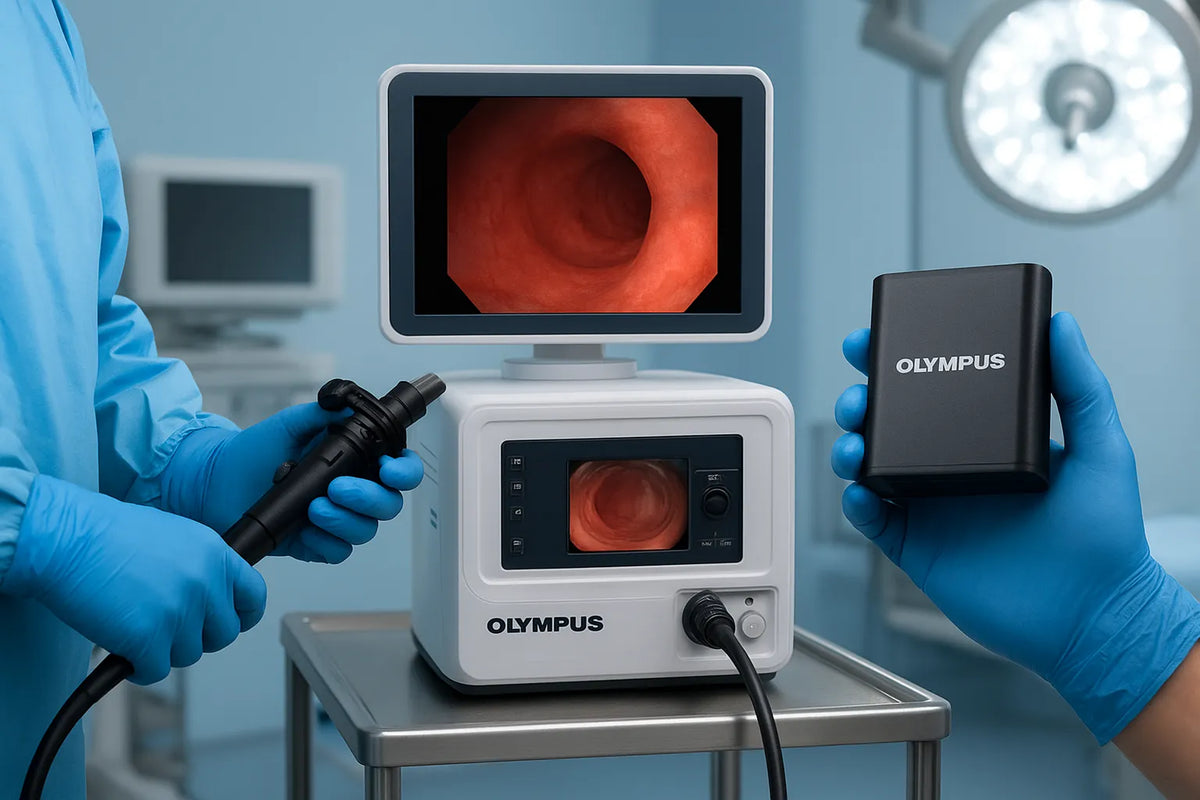
Medical imaging has revolutionized modern healthcare. From ultrasound to endoscopy, advanced imaging devices help clinicians detect, diagnose, and treat diseases faster and more accurately than ever before. Yet, beneath these groundbreaking technologies lies an unsung hero — the power source. Without dependable energy systems, even the most advanced imaging equipment would fail to deliver consistent results.
Olympus, a global leader in optical and digital precision technology, has become synonymous with reliability in the medical imaging field. Its batteries and power modules are engineered not only to support cutting-edge imaging tools but also to redefine performance standards for durability, safety, and sustainability.
In today’s hospitals and clinics, imaging devices must function flawlessly in fast-paced, high-demand environments. Olympus batteries play a crucial role here — ensuring uninterrupted operation during endoscopic surgeries, field diagnostics, and portable imaging sessions. Designed for consistent energy output, they provide the stable voltage required for high-resolution imaging and precise data capture.
Over the past decade, the medical battery industry has evolved rapidly. Market data shows that the global medical battery market was valued at approximately US$2.6 billion in 2023 and is projected to reach US$4.1 billion by 2030, driven by increased demand for portable and wireless medical devices. Olympus’s commitment to power efficiency and innovation places it at the forefront of this transformation.
What sets Olympus apart is its integration of battery technology directly into the development of imaging systems. Instead of relying on generic battery suppliers, Olympus designs its energy solutions to match the power curves, temperature tolerances, and usage cycles of its own equipment. This holistic approach results in longer device lifespans, reduced downtime, and greater diagnostic accuracy.
As healthcare moves toward mobility and miniaturization, the demand for lightweight, high-density, and eco-friendly batteries continues to grow. Olympus’s ongoing research into lithium-ion and lithium-polymer chemistries promises not just incremental improvements, but a complete rethinking of how medical imaging devices are powered — making healthcare safer, faster, and more efficient.
The Role of Power Systems in Modern Medical Imaging
Medical imaging devices have evolved into highly sophisticated systems that rely on stable, efficient, and long-lasting power sources. The quality of medical diagnosis now depends not only on optics and software but also on the reliability of the energy that drives these technologies. Olympus understands this interdependence and designs its battery systems as integral components of its imaging ecosystem, not as afterthoughts.
Why Power Stability Matters in Imaging Accuracy
Every imaging device — from an endoscope to a high-resolution intraoperative camera — requires constant voltage and clean energy output. Even a slight voltage fluctuation can cause distortion, signal loss, or inaccurate readings. Olympus batteries are built to deliver consistent power throughout the entire usage cycle. This ensures that surgeons, radiologists, and technicians receive sharp, stable images regardless of device age or environmental conditions.
According to a 2024 report by MarketsandMarkets, over 60% of diagnostic imaging failures in portable systems can be traced to power instability or battery degradation. Olympus addresses this challenge through precise voltage regulation circuits and advanced cell balancing technologies that maintain output integrity even after hundreds of charge cycles.
Portability and Power Density: Meeting Clinical Mobility Needs
Modern hospitals demand mobility. Doctors need to carry imaging equipment from room to room, sometimes between facilities or in field operations. Olympus’s battery technology emphasizes high energy density, allowing imaging systems to operate longer without frequent recharging. A single charge can power certain Olympus endoscopy systems for up to 90 minutes of continuous operation, making them ideal for mobile diagnostics and emergency interventions.
The growing use of wireless ultrasound scanners and portable endoscopic units underscores the importance of compact yet powerful batteries. Olympus engineers address this by utilizing optimized lithium-ion and lithium-polymer chemistries that balance power and weight — enhancing portability without compromising safety.
Safety and Compliance in Medical Power Systems
Medical batteries operate in critical environments where reliability is non-negotiable. Olympus batteries comply with global safety standards, including IEC 60601-1 for medical electrical equipment and UN38.3 for transport safety. Built-in thermal sensors, short-circuit protection, and intelligent monitoring systems ensure operational safety even in prolonged use.
Furthermore, Olympus employs rigorous testing — including accelerated life simulations, vibration resistance, and high-temperature endurance — to meet hospital-grade reliability standards. This ensures that medical professionals can depend on Olympus-powered devices during life-saving procedures.
Integration with Smart Power Management
Olympus has also begun incorporating smart battery management systems (BMS) into its imaging devices. These systems communicate real-time performance metrics such as charge level, temperature, and power consumption. This integration allows hospital technicians to predict maintenance needs before failures occur, reducing downtime and operational costs.
By combining energy stability, mobility, and safety, Olympus has turned its power systems into a cornerstone of medical imaging innovation. These batteries not only sustain the devices — they enhance the overall diagnostic process.
How Olympus Battery Technology Elevates Diagnostic Precision
In the world of medical imaging, precision is everything. The clarity of an image can determine the success of a diagnosis, the accuracy of a surgical procedure, or even a patient’s outcome. Olympus has long recognized that superior imaging quality depends not only on optical engineering but also on the reliability and intelligence of the power system behind it.
Consistent Power Delivery Enables Crystal-Clear Imaging
Modern imaging sensors, especially those used in endoscopic and laparoscopic systems, demand a constant, uninterrupted energy supply. Any voltage drop can cause flickering, noise, or interruptions in image capture. Olympus batteries use high-stability lithium-ion chemistry and low-resistance cell design to maintain uniform energy delivery from the first frame to the last.
This consistent output ensures that surgeons can rely on real-time imaging accuracy, even during lengthy procedures. In operating rooms where every second counts, Olympus’s commitment to stable power performance directly translates into sharper images and safer surgeries.
Reducing Diagnostic Errors Through Energy Efficiency
Power efficiency isn’t only about battery life — it affects diagnostic reliability. Olympus’s energy-efficient architecture minimizes heat generation and electromagnetic interference (EMI), both of which can distort digital imaging signals.
In comparison tests with older battery models, Olympus’s new generation of lithium packs demonstrated a 20–25% reduction in power loss and 30% improvement in operational runtime. Less energy waste means devices can run cooler and longer, maintaining optimal image processing speed without signal degradation.
This level of precision supports a wide range of imaging applications — from gastrointestinal endoscopy to urology and ENT (ear, nose, and throat) diagnostics — where accurate visualization can mean the difference between early detection and a missed condition.
Powering the Next Generation of Digital Imaging Devices
As Olympus continues to integrate digital technology with medical optics, its battery systems have evolved to support more demanding applications like 4K and 3D imaging, AI-assisted diagnosis, and wireless data transmission. These advanced imaging systems require higher power density and greater thermal stability than ever before.
Olympus engineers design battery packs that maintain optimal current delivery for devices equipped with AI-driven image recognition, enabling the software to process data with minimal delay. For example, Olympus’s latest 4K surgical cameras can operate continuously for extended periods thanks to advanced lithium-polymer packs optimized for both energy capacity and cooling efficiency.
Collaborative Engineering for Accuracy and Trust
Olympus collaborates closely with medical institutions and power research laboratories to refine its battery integration. Each battery is not just a standalone component but a precisely calibrated part of the entire imaging system.
Through simulation testing, Olympus ensures that battery discharge patterns align perfectly with the energy demands of imaging sensors and processors. This system-level design philosophy minimizes power fluctuation risks — a key factor in maintaining diagnostic integrity in sensitive procedures like endoscopic ultrasound (EUS) and minimally invasive surgery.
By combining robust chemistry, intelligent power management, and decades of medical device expertise, Olympus ensures that every imaging frame meets the highest standards of medical precision.
Sustainability and Reliability — Inside Olympus’s Battery Innovation
As the healthcare industry embraces more eco-conscious practices, medical device manufacturers are under increasing pressure to reduce environmental impact while maintaining top-tier performance. Olympus has made sustainability a key pillar of its battery technology strategy, integrating energy efficiency, safety, and environmental responsibility into every stage of production.
Eco-Conscious Design and Material Innovation
Traditional medical batteries have long relied on materials and processes that can be difficult to recycle or dispose of safely. Olympus, however, has shifted toward low-impact lithium-ion and lithium-polymer chemistries, which reduce the use of heavy metals and other environmentally harmful elements.
In its latest generation of batteries, Olympus employs recyclable casings, optimized electrolyte compositions, and solid-state safety layers that eliminate the need for toxic additives. These innovations not only extend battery lifespan but also reduce chemical waste — an important factor as healthcare facilities move toward greener energy solutions.
According to a 2024 report by Allied Market Research, the global market for eco-friendly medical batteries is expected to grow by over 9% annually through 2030, driven by hospital sustainability programs and new environmental regulations. Olympus’s advancements place it at the forefront of this movement, aligning with global sustainability goals while maintaining clinical reliability.
Reliability Under Pressure
Medical imaging environments can be unpredictable — from humid operating theaters to mobile field units. Olympus designs its batteries to withstand extreme conditions without compromising safety or efficiency. Each battery undergoes rigorous lifecycle testing, including exposure to high temperatures, continuous charge-discharge cycles, and mechanical stress.
Olympus’s in-house testing labs simulate years of usage in a fraction of the time, ensuring that every product meets medical-grade endurance standards before reaching the market. This commitment to quality assurance is what allows hospitals to trust Olympus equipment in critical, high-stakes settings.
Furthermore, Olympus’s redundant safety architecture — featuring overcharge, over-discharge, and temperature control mechanisms — minimizes the risk of power failure during surgery or diagnostic procedures. Such reliability translates into peace of mind for healthcare professionals and patients alike.
Reducing Waste Through Long-Life Design
Battery longevity is a crucial sustainability factor often overlooked in medical device design. Olympus’s high-cycle batteries are engineered to retain over 80% of their original capacity even after 500 full cycles, far exceeding the typical medical device standard.
By extending usable lifespan, Olympus reduces the frequency of replacements, lowering both electronic waste and long-term operating costs for healthcare facilities. This approach supports hospitals’ environmental goals without sacrificing the performance essential for precise imaging.
A Circular Future for Medical Power Systems
Looking ahead, Olympus is investing in closed-loop battery recycling systems and second-life applications for partially depleted cells. Instead of sending used batteries to landfills, Olympus aims to recondition and repurpose them for non-critical devices, such as training equipment or laboratory tools.
This circular model reflects a growing industry shift toward sustainability, where performance and environmental stewardship coexist. By rethinking the full life cycle of its batteries — from material sourcing to end-of-life recovery — Olympus is helping reshape how the medical technology industry approaches power and responsibility.
The Future of Medical Imaging Powered by Olympus Batteries
The next decade promises a transformation in how medical professionals see and interpret the human body. From AI-enhanced imaging systems to robotic-assisted surgeries, the demand for intelligent, energy-efficient power solutions will only grow. Olympus is poised to lead this new era, using advanced battery technology to bridge precision, portability, and sustainability in ways that redefine clinical performance.
The Rise of Smart, Connected Power Systems
Future Olympus batteries are expected to integrate smart diagnostic features that go beyond traditional power delivery. Equipped with microcontrollers and IoT connectivity, these smart batteries will communicate directly with hospital management systems, reporting usage data, charge levels, and health status in real time.
Such innovation will allow technicians to schedule maintenance proactively, reducing device downtime and preventing unexpected failures. For surgeons, this means uninterrupted performance in the operating room; for patients, it ensures greater safety during critical procedures.
Miniaturization and Wearable Imaging
As healthcare continues to shift toward mobility and preventive monitoring, the next generation of Olympus batteries will become even smaller and more energy-dense. This evolution will enable wearable and implantable imaging technologies, such as capsule endoscopy and portable diagnostic tools.
Olympus’s ongoing research into solid-state battery chemistry offers remarkable potential here — with higher energy density, faster charging, and improved safety compared to conventional lithium-ion designs. These advancements could soon power medical devices that fit comfortably into a pocket, yet deliver hospital-grade imaging clarity.
According to a 2025 projection from Grand View Research, the market for wearable medical devices is expected to exceed US$180 billion by 2032, driven largely by energy-efficient battery innovation. Olympus’s continued investment in miniaturized, durable power systems aligns perfectly with this trend.
Collaborating for a Greener, Smarter Future
Olympus recognizes that the future of medical imaging doesn’t rest solely on its technology, but also on partnerships that amplify its impact. Collaborations with global research institutes and healthcare providers are central to Olympus’s R&D strategy.
By combining its expertise in optics and energy storage with advances in AI, materials science, and sustainable manufacturing, Olympus is helping create a future where diagnostic imaging is faster, cleaner, and more accessible — even in remote or resource-limited areas.
Empowering the Next Generation of Medical Innovation
Ultimately, Olympus’s battery technology represents more than just an energy source. It’s a foundation for progress in medical imaging — empowering devices to operate longer, capture more data, and perform more safely under any condition.
From hospital operating rooms to mobile diagnostic units, Olympus batteries ensure that imaging excellence remains constant, regardless of time or place. As healthcare systems worldwide pursue higher standards of accuracy and sustainability, Olympus stands ready to power that future — one innovation at a time.
Conclusion
Olympus has not only mastered optical and imaging excellence but has also transformed how medical power systems function. By prioritizing energy stability, safety, and environmental responsibility, Olympus batteries are redefining the boundaries of diagnostic precision.
From stable power delivery to sustainable innovation, Olympus’s commitment reflects a deep understanding of what modern medicine truly requires — reliability, adaptability, and trust. As the future of medical imaging unfolds, Olympus’s energy solutions will continue to light the way forward, ensuring that every diagnosis, every image, and every life touched by its technology receives the power it deserves.
