
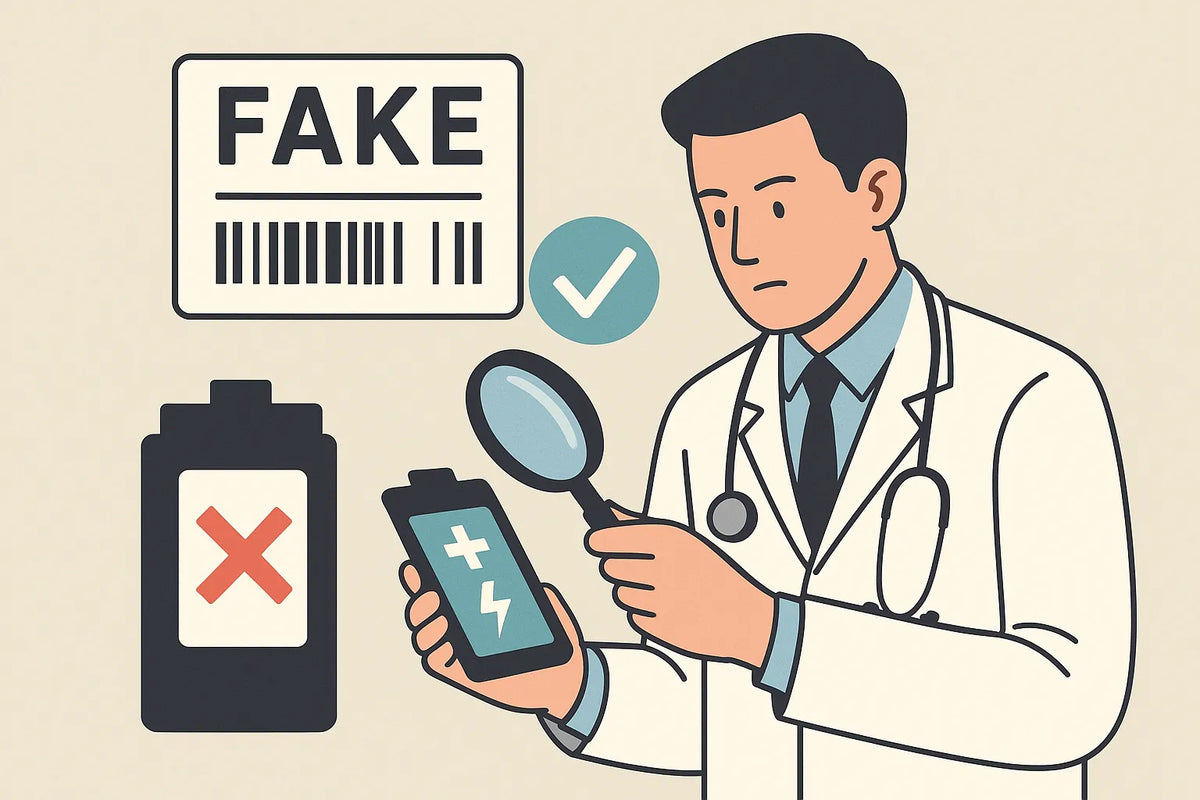
Medical devices rely on stable, high-quality batteries to deliver accurate results and safe performance. A single malfunction in a defibrillator, infusion pump, patient monitor, or portable ultrasound can place a patient at immediate risk. Yet the global market has seen a surge in counterfeit medical batteries over the past decade. These unauthorized products imitate branded FDA-cleared batteries but lack quality control, certified materials, and tested performance. Their presence creates a silent threat across healthcare environments.
Health-tech analysts estimate that counterfeit medical components account for 3–5% of global device supply chains each year. That percentage may seem small, but the impact is disproportionate. A 2023 survey conducted by the European Union Intellectual Property Office found that counterfeit batteries were responsible for device shutdowns, overheating events, and unexpected cycle failures in hospital settings. Many issues went undetected until a device stopped mid-procedure.
Counterfeit medical batteries cause two major risks. First, they often fail early due to poor cell chemistry, no protective circuitry, and inconsistent voltage regulation. Second, they jeopardize compliance because hospitals must meet strict safety standards such as IEC 62133, UN 38.3, and manufacturer-specific approvals. A non-certified battery can break warranty coverage or violate procurement rules. These consequences become even more serious in emergency care where devices must work without hesitation.
Real-world incidents highlight this problem. Several hospital systems in North America reported infusion pump malfunctions linked to fake third-party power packs. Investigations showed swollen cells and unapproved nickel-cobalt blends that deviated from regulatory standards. Similar incidents occurred in Asia, where counterfeit defibrillator batteries entered secondary markets. In each case, the devices passed basic startup checks, misleading technicians until a sudden failure occurred.
Healthcare professionals, biomedical technicians, and procurement teams need reliable methods to identify and avoid these dangerous products. Spotting the differences requires attention to labeling, packaging, cell construction, vendor credibility, and documentation. Some counterfeiters replicate labels with surprising accuracy, so a basic visual check is no longer enough. Understanding battery chemistry and certification marks helps narrow the risks.
This article explores the structure of the counterfeit battery ecosystem and explains why these products continue circulating. It also presents practical, evidence-based steps that any healthcare provider can use to verify a battery before installation. The guidance reflects established best practices from regulatory agencies, battery manufacturers, and biomedical engineering departments.
The goal is simple. Protect clinical teams from silent failures and help facilities maintain safe, reliable performance across essential devices. Patients depend on these tools every second. Ensuring the authenticity of their batteries is one of the simplest and most impactful safety measures available in modern healthcare.
Understanding Why Counterfeit Medical Batteries Exist
Counterfeit medical batteries spread because the supply chain behind medical devices is large, fragmented, and difficult to monitor. Most hospitals rely on a mix of original equipment manufacturers, third-party distributors, and regional resellers. This structure creates openings for unauthorized products to slip into legitimate channels. The growing demand for portable medical devices increases the pressure on suppliers, making the market more attractive to counterfeiters.
A High-Value, High-Demand Market
Medical batteries differ from consumer batteries because they must deliver stable voltage, strict temperature control, and reliable capacity retention. These requirements raise production costs. A genuine defibrillator battery can cost ten times more than an ordinary lithium pack. Counterfeiters take advantage of this price gap. They use low-grade cells, generic protection boards, and recycled housings to mimic the original product. The profit margin is significant, especially in large hospital networks that purchase replacements in bulk.
Industry data shows that the global medical battery market exceeded USD 2.9 billion in 2023. Portable imaging systems, point-of-care diagnostic tools, and smart monitoring devices continue to expand this figure. Counterfeiters exploit this growth because hospitals replace batteries frequently. Many devices require new packs every 12–24 months, creating an ongoing opportunity for illegitimate sellers.
Weak Oversight in Secondary Supply Channels
Most counterfeit batteries do not enter through major distributors. They appear in secondary channels such as unauthorized online sellers, liquidated equipment markets, and small-scale resellers that operate without strict verification. Some counterfeit products even arrive through seemingly legitimate B2B platforms where listings are not inspected deeply.
Small procurement teams may struggle to validate every supplier. This challenge becomes greater when urgent replacements are needed. Shortages during the pandemic created conditions where some facilities purchased through unfamiliar channels. That period saw increased circulation of mislabeled or repackaged lithium-ion batteries lacking documented testing.
Reusing and Refurbishing Old Battery Packs
Another driver is the rise of battery refurbishing workshops. Some facilities provide legal refurbishment using certified cells. Others strip used packs, refill them with unknown cells, and reapply cloned labels. These batteries look identical to new OEM units but lack the original safety protocols. Internal reports from several biomedical engineering departments show that refurbished packs caused unexpected shutdowns in infusion pumps and ventilators, even though the outer label seemed authentic.
Counterfeiters also use recovered or damaged cells sourced from e-waste streams. These cells may already have hundreds of cycles, internal corrosion, or compromised protection circuits. After reassembly, the packs can pass a short function test yet fail under real clinical loads.
Limited Awareness Among End Users
Many healthcare workers assume that any battery fitting the device model is safe to use. This assumption makes counterfeit products harder to detect. Procurement staff, technicians, and nurses often focus on matching the connector and voltage instead of verifying deeper compliance details. Counterfeiters rely on this gap. They know that a device will usually power on, even with a low-grade battery. The danger appears later when voltage drops suddenly during use.
Manufacturers publish technical sheets, approved-supplier lists, and certification references for each battery. Yet these documents are not always accessible during daily operations. If frontline staff understand these risks, counterfeit batteries lose much of their market.
Economic Pressure on Healthcare Facilities
Hospitals face constant pressure to reduce operational costs. Battery replacements may appear to be an easy area for savings, especially in older equipment. Counterfeit sellers take advantage by advertising prices far below OEM levels. Without a clear understanding of the long-term risks, some facilities may choose the cheapest option. Unfortunately, a low-quality battery can damage the device itself, creating higher repair costs later.
Cost pressure also affects smaller clinics and home-care providers that do not have dedicated biomedical engineering teams. These buyers may rely on public marketplaces where verification is limited. Counterfeit products flourish in these environments.
Key Warning Signs of Fake Medical Batteries
Counterfeit medical batteries often resemble genuine units at first glance, but careful inspection reveals inconsistencies. These details help technicians, nurses, and procurement teams identify dangerous substitutes before they reach clinical use. Most counterfeit batteries fail in labeling, construction quality, documentation, or electrical behavior. Recognizing these signs reduces device downtime and protects patient safety.
1. Inconsistent or Poor-Quality Labeling
Authentic medical batteries follow strict labeling rules. Counterfeit products often break these standards.
Common red flags include:
- Misspelled words or unusual abbreviations
- Low-resolution printing or smudged batch numbers
- Labels that peel easily or appear crooked
- Missing manufacturer contact details
- Serial numbers that repeat across units
Genuine batteries include clear regulatory marks such as CE, UL, IEC 62133, or the manufacturer’s internal approval code. If these marks look faded or use incorrect font sizes, the product should be flagged for review.
2. Weight Differences Compared to OEM Units
A battery’s weight reflects its internal cell structure. Fake medical batteries often feel lighter because they use smaller or recycled cells. For example, a standard defibrillator battery that should weigh around 450–500 grams may drop below 400 grams in a counterfeit version. Any noticeable weight difference should trigger further inspection.
3. Irregular Housing or Poor Assembly
Visual inspection of the housing reveals many structural inconsistencies.
Warning signs include:
- Gaps between plastic seams
- Uneven screw placement or mismatched screw types
- Rough edges around connectors
- Unusual odor from low-grade plastics
OEM batteries use precision molding and tight fits. Counterfeit units skip those steps to save costs, resulting in loose or imperfect construction.
4. Pricing That Is Far Below Market Value
Authentic medical batteries follow stable global pricing because of strict manufacturing standards. A deal that looks too good usually signals a problem. If an OEM battery costing USD 300 appears on a secondary market for USD 70, the risk of counterfeiting is high. Hospitals should always question unusually low prices, even when the seller claims to offer “clearance stock.”
5. Missing or Incorrect Documentation
A legitimate medical battery includes:
- Product datasheets
- Safety certificates
- Testing reports
- Warranty terms
- Traceable serial numbers
Counterfeit sellers rarely provide these documents. Some offer forged PDFs that contain mismatched model numbers or conflicting dates. Any inconsistency between the label, documentation, and device model suggests the battery is unsafe.
6. Voltage or Capacity That Does Not Match Specifications
Counterfeit batteries often deviate from published electrical values. A pack labeled 14.8V may produce 14.0V under load because the internal cells are lower quality. Capacity is another red flag. A genuine 5200mAh battery should deliver consistent discharge performance. Counterfeit units frequently drop to 3000–3500mAh during testing.
Biomedical technicians often detect this issue using a battery analyzer. Fast voltage drops, overheating, or irregular discharge curves confirm counterfeit construction.
7. Packaging That Looks Generic or Unprofessional
Hospital-grade batteries ship with robust packaging designed to meet UN 38.3 transport rules. Counterfeiters rarely follow these standards. Signs include:
- Boxes with thin or unmarked cardboard
- Missing hazard symbols
- No protective foam around the battery
- Inconsistent barcodes
If the packaging appears identical to consumer electronics rather than medical equipment, the battery requires verification.
8. Sellers With No Proven Track Record
Counterfeit batteries often come from sellers who show:
- No physical address
- No phone support
- Recently created websites
- Limited transaction history
- Generic product photos copied from OEM listings
Procurement teams should avoid suppliers that cannot provide references or verifiable certifications.
How to Verify Authenticity Before You Buy
Verifying a medical battery before purchase protects both patient safety and device performance. Hospitals and clinics can reduce risk by following structured checks that confirm authenticity at every stage. These checks combine visual inspection, supplier evaluation, documentation review, and basic technical testing. A consistent verification routine helps eliminate counterfeit products from the supply chain.
1. Purchase Only From Authorized or Verified Suppliers
Most device manufacturers maintain a list of approved distributors. These suppliers meet strict requirements for storage conditions, traceability, and quality control. Before purchasing a replacement battery, procurement teams should confirm that the seller appears on these lists.
Reliable suppliers typically provide:
- A physical business address
- Verifiable contact details
- Certificates or authorization letters
- Clear return and warranty policies
Avoid sellers that refuse to share documentation or promote unusually low prices.
2. Confirm Model Compatibility Using OEM Documentation
Each medical device uses a specific battery model tested for performance and safety. The fastest way to verify authenticity is by cross-checking the battery’s model number with official manuals. If the label includes an unrecognized revision or an extra letter not supported by OEM records, the battery may be unauthorized.
Manufacturers often publish PDFs listing approved models. These documents also show required safety marks and electrical specifications. Any mismatch signals potential counterfeiting.
3. Inspect Labels and Serial Numbers Carefully
Authentic batteries carry unique serial numbers that trace back to individual production batches. Many companies provide online verification tools or hotline support for serial checks. When entering the number, the system should return:
- Manufacturing date
- Batch identification
- Device compatibility
- Warranty status
If the code returns no match or seems duplicated across multiple units, the product should not be used.
4. Request Compliance and Safety Certifications
Genuine medical batteries meet strict standards, including:
- IEC 62133 (safety requirements)
- UN 38.3 (transport testing)
- UL or CE approvals
- Device-specific certifications
Suppliers must provide these certificates upon request. The dates, model numbers, and manufacturer names must align with the battery label. Any inconsistencies raise concerns.
5. Use Technical Testing When Possible
Biomedical engineering departments can perform basic checks before approving new stock. These tests confirm whether the battery behaves within safe operating ranges.
Common procedures include:
- Measuring open-circuit voltage
- Checking internal resistance
- Reviewing discharge curves
- Monitoring temperature during load tests
A battery that heats rapidly or drops voltage quickly likely contains low-quality cells.
6. Check Packaging and Shipping Compliance
Medical batteries require specific packaging to meet international transport laws. Authentic products arrive with:
- Hazard labels
- Proper cushioning
- Manufacturer branding
- Barcoded tracking
- Documentation packets
Counterfeit batteries often use generic or thin packaging. If the package arrives damaged, unsealed, or missing identifiers, the contents should undergo further inspection.
7. Keep Records for Traceability
Every battery entering a facility should be logged. A simple tracking system improves safety and ensures complete traceability.
Facilities should record:
- Supplier name
- Purchase date
- Serial numbers
- Testing results
- Device installation date
This information supports audits and helps identify patterns if failures occur.
Safe Procurement Practices for Hospitals and Clinics
Healthcare facilities can prevent counterfeit batteries by adopting structured procurement strategies. These measures strengthen supply chain integrity and ensure that every device receives reliable, manufacturer-approved power sources. Strong procurement practices reduce risk, protect patient safety, and extend equipment lifespan.
1. Establish a Centralized Purchasing Policy
A centralized system helps eliminate unauthorized purchases made during urgent situations. When all ordering flows through one controlled department, oversight improves and counterfeit products have fewer entry points. Central teams can review supplier credentials and keep consistent documentation.
Facilities should create guidelines that specify:
- Approved suppliers
- Required certifications
- Testing protocols
- Storage and rotation rules
This structure reduces confusion and supports compliance with national and international standards.
2. Maintain Long-Term Contracts With Trusted Suppliers
Long-term agreements with reputable distributors lower the risk of counterfeit entry. These contracts include quality guarantees, traceability requirements, and return policies. Reliable partners also provide advance notice of stock changes, price updates, and product revisions.
A stable supplier relationship builds familiarity. This reduces the temptation to purchase from unfamiliar sources during shortages or emergencies.
3. Train Staff on Battery Verification Procedures
Clinical teams, technicians, and procurement staff should understand how to recognize suspicious products. Short training sessions help build awareness and create a shared responsibility for safety.
Training should cover:
- Identifying labeling anomalies
- Checking serial numbers
- Recognizing price inconsistencies
- Reviewing packaging quality
Well-informed staff can spot issues early and report them before installation.
4. Implement Routine Incoming Inspection
Every battery delivered to the facility should undergo an incoming quality check. This process verifies authenticity and prevents unsafe packs from entering storage.
Inspection should include:
- Serial number validation
- Packaging integrity check
- Voltage measurement
- Documentation review
If a batch contains irregularities, the facility should quarantine the shipment and contact the supplier for investigation.
5. Store Batteries Correctly to Prevent Degradation
Even genuine batteries can fail if stored improperly. Poor storage can mimic the behavior of low-quality products, making authenticity checks more difficult.
Medical batteries should be stored:
- In a temperature-controlled environment
- Away from direct sunlight
- With humidity control
- In original packaging until use
Good storage practices maintain performance and simplify future audits.
6. Conduct Periodic Supplier Audits
Facilities with high usage volumes should conduct supplier audits. These evaluations confirm that vendors follow safety and quality guidelines. Audits may include on-site visits, manufacturing reviews, or document assessments.
Reliable suppliers welcome audits because they demonstrate transparency and strengthen business relationships.
7. Create a Reporting System for Suspicious Batteries
If a staff member encounters an unusual label, inconsistent weight, or irregular device behavior, there must be a clear reporting path. Fast reporting prevents further use and helps identify larger counterfeit patterns.
Facilities should encourage immediate reporting without penalty. A proactive safety culture improves detection rates and reduces long-term risk.
Conclusion
Counterfeit medical batteries pose serious safety risks that extend far beyond device malfunction. A single faulty pack can interrupt life-support functions, corrupt diagnostic readings, or damage expensive equipment. Understanding how these products enter the market empowers healthcare facilities to prevent them. When hospitals follow structured procurement procedures, train staff, and perform routine verification, counterfeit products lose their pathway into clinical environments.
Reliable medical batteries are essential for consistent patient care. By using trusted suppliers, validating documentation, inspecting every shipment, and maintaining clear records, facilities build a secure power ecosystem around their devices. These practices protect both patients and frontline staff. They also preserve the longevity and accuracy of critical medical equipment.
Healthcare organizations that adopt a proactive approach experience fewer unexpected failures and improve overall safety performance. Counterfeiters continue to adapt, but informed teams can stay ahead by applying rigorous scrutiny to every replacement battery. Strong awareness and disciplined processes remain the most effective defenses.
